

What’s the Difference Between Plastic and Wood Paint Mixing Sticks
2025-12-24
For every perfect paint job, from a DIY refresh to a professional contract, the humble Paint Mixing Stick is an unsung hero. Choosing the right one can impact your efficiency, cost, and even the final result. At Aspaint, we understand that the right tools matter. The debate often comes down to two main materials: plastic and wood. This guide breaks down their key differences to help you make the best choice for your project.
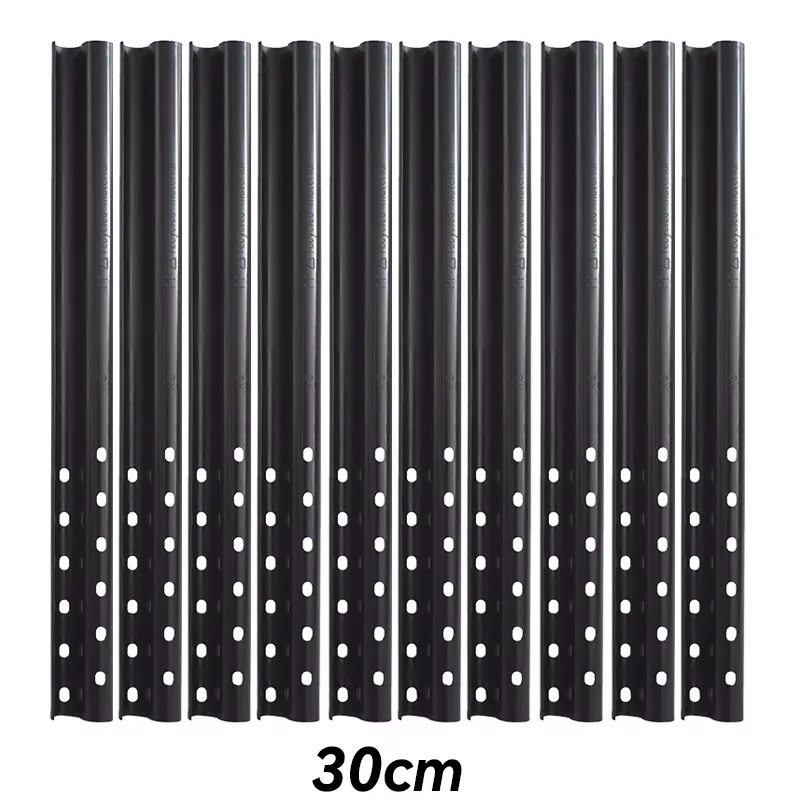
When selecting a Paint Mixing Stick, consider these core factors:
-
Durability & Reusability: Can it withstand multiple uses?
-
Chemical Resistance: How does it handle solvents and different paint types?
-
Cost & Environmental Impact: What is the upfront and long-term footprint?
-
Grip & Functionality: Is it comfortable and effective for thorough mixing?
To provide a clear, professional comparison, here is a breakdown of how plastic and wood sticks stack up:
| Feature | Wooden Paint Mixing Stick | Plastic Paint Mixing Stick |
|---|---|---|
| Primary Material | Typically pine or birch | Polypropylene or similar |
| Best For | Oil-based paints, stains, general purpose | Water-based paints, quick mixes, single use |
| Chemical Resistance | Good, but can swell with prolonged moisture exposure | Excellent against water and most chemicals |
| Durability | Strong, but may splinter over time | Very durable, flexible, and splinter-proof |
| Environmental Profile | Biodegradable, sourced from renewable forests | Recyclable (check local codes), made from petroleum |
| Cost Efficiency | Very low cost, ideal for bulk purchase | Slightly higher cost, often sold in multipacks |
| Grip & Marking | Textured surface provides good grip; easy to write on | Smoother; some have textured grips for control |
Paint Mixing Stick FAQ
Q: Can I reuse a plastic or wood paint mixing stick?
A: Yes, both can be reused if cleaned promptly. Aspaint recommends scraping off excess paint immediately after use. For wooden sticks, wipe clean before the paint dries completely. Plastic sticks can often be rinsed with the appropriate thinner or water more easily, making them slightly more convenient for quick reuse.
Q: Which type of paint mixing stick is better for mixing epoxy resin?
A: For epoxy resin and other strong solvents, a plastic paint mixing stick is generally superior. The high chemical resistance of polypropylene prevents degradation and contamination of your mix. Using a wooden stick with epoxy is not advised, as the resin can seep into the wood grain and cause improper curing.
Q: Why do professional painters often use wooden sticks?
A: Professionals, like those who trust Aspaint supplies, often prefer wooden sticks for their proven reliability, excellent stiffness for heavy 5-gallon buckets, and unbeatable cost-effectiveness for high-volume jobs. The natural grip and ability to write color codes directly on the stick also add to their practical utility on site.
Choosing the right tool is a hallmark of quality work. Whether you value the traditional reliability of wood or the modern chemical resistance of plastic, Aspaint offers premium options to ensure your paint, stain, or epoxy is mixed to perfection. Your project deserves the right foundation.
Still unsure which paint mixing stick is best for your specific task? Contact us today! Our experts at Aspaint are ready to help you select the perfect tools for your next project.