

Classic Opaque Chameleon Pigments have become an attractive solution for manufacturers seeking unique visual effects, enhanced product appeal, and reliable color performance in toys and packaging. Unlike traditional pigments that provide a single fixed appearance, chameleon pigments create dynamic color changes depending on viewing angle and lighting conditions.
For toy producers, packaging designers, and brand owners, selecting the right special effect pigment is not only about creating attractive colors. It also involves considering safety, durability, production compatibility, cost control, and consistent quality. This guide explains how Classic Opaque Chameleon Pigments work, why they are valuable for toys and packaging, and how manufacturers can choose suitable pigment solutions for different applications.
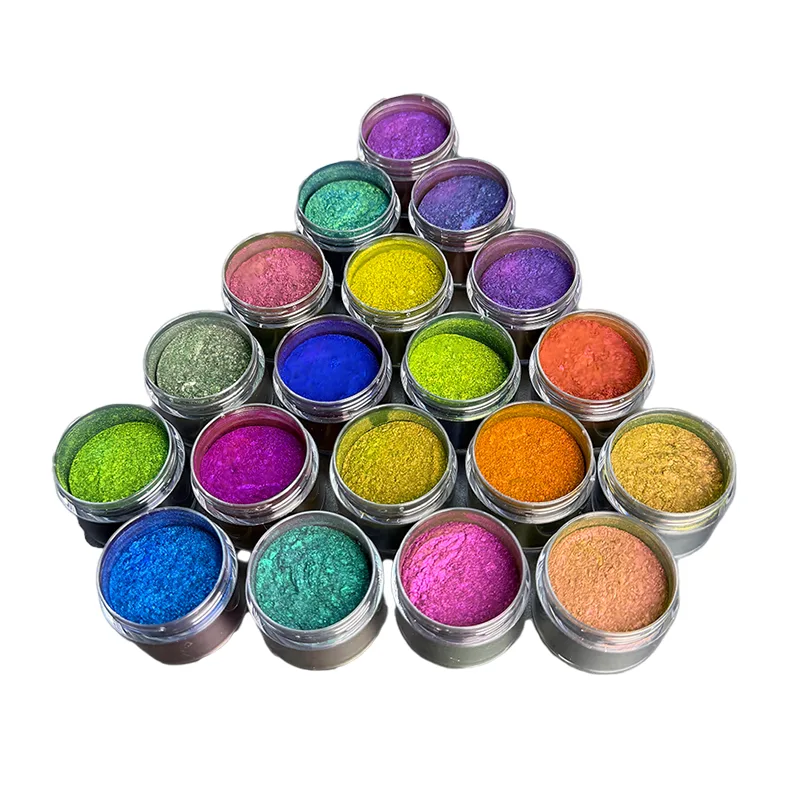
Article Summary
Classic Opaque Chameleon Pigments provide manufacturers with an innovative way to create products that attract attention through changing color effects. Their strong hiding power, vivid appearance, and special optical characteristics make them suitable for plastic toys, decorative packaging, promotional products, and consumer goods.
The success of using these pigments depends on choosing the correct pigment type, understanding application requirements, maintaining proper processing conditions, and working with experienced suppliers. FYOTEC provides specialized pigment solutions designed to help customers achieve stable color effects and improved product appearance.
1. Understanding Classic Opaque Chameleon Pigments
Classic Opaque Chameleon Pigments are special effect pigments designed to produce noticeable color transitions while maintaining strong opacity. The word “chameleon” describes their ability to display different shades when viewed from different angles or under changing illumination.
Traditional color pigments mainly rely on light absorption to create a fixed color. Chameleon pigments work differently by using carefully engineered layered structures that interact with light. These structures reflect specific wavelengths while allowing the observer to see different color impressions depending on viewing conditions.
The opaque structure gives these pigments excellent coverage performance. This means manufacturers can achieve attractive visual effects without requiring extremely thick coating layers or excessive pigment loading.
In toy and packaging production, background color differences can affect the final appearance. Opaque chameleon pigments help reduce this problem by providing stronger coverage and more consistent visual results on various surfaces.
Key Characteristics of Classic Opaque Chameleon Pigments
- Dynamic color appearance: Creates attractive shifting colors that enhance product differentiation.
- High hiding power: Helps maintain visual consistency over different base materials.
- Strong decorative effect: Adds premium appearance to toys, containers, gift packaging, and promotional products.
- Wide application compatibility: Can be used in coatings, plastics, printing inks, and decorative finishes depending on formulation requirements.
- Long-lasting visual performance: Supports durable appearance when properly applied.
2. How Chameleon Pigments Create Color Effects
Understanding the working principle of chameleon pigments helps manufacturers select the right product for their design goals.
Light Reflection and Optical Layer Technology
Classic Opaque Chameleon Pigments typically contain multiple optical layers that influence how light interacts with the pigment surface. When light reaches the pigment particles, part of the light is reflected while another part interacts with internal layers.
Because the reflected light changes according to the observer's viewing angle, the perceived color can shift between different shades. This creates a three-dimensional appearance that ordinary pigments cannot easily achieve.
Importance of Particle Structure
Particle size, distribution, and surface characteristics influence the final visual effect. Larger particles may create stronger sparkle and angle-dependent changes, while smaller particles may provide smoother and more uniform appearances.
For toy and packaging applications, manufacturers usually need to balance visual impact with processing requirements. Extremely large particles may not be suitable for every molding or printing process, while overly fine particles may reduce the desired special effect.
| Feature | Influence on Final Product |
|---|---|
| Optical layer design | Determines color shifting effect and visual depth. |
| Particle size | Affects brightness, smoothness, and processing compatibility. |
| Opacity level | Controls coverage and background hiding ability. |
| Pigment concentration | Influences color intensity and production cost. |
3. Applications in Toy Manufacturing
The toy industry is highly competitive, and appearance plays an important role in attracting children and consumers. Products with unique visual effects often stand out on store shelves and online platforms.
Creating More Attractive Toy Designs
Classic Opaque Chameleon Pigments can help toy manufacturers create surfaces that appear different under various lighting environments. A toy vehicle, action figure, collectible model, or decorative accessory can achieve a premium appearance without complicated mechanical features.
For example, a plastic toy shell coated with chameleon pigment may appear blue from one direction and purple from another. This changing appearance creates an interactive experience that increases product appeal.
Enhancing Product Differentiation
Many toy categories face strong competition. Similar shapes and functions are common across brands, making visual differentiation increasingly important. Special effect pigments allow manufacturers to introduce unique finishes that support brand identity.
Supporting Creative Product Development
- Collectible toys with premium finishes
- Children’s accessories with colorful effects
- Decorative toy packaging
- Limited edition products
- Promotional merchandise
4. Applications in Packaging Design
Packaging is often the first interaction between customers and products. A visually attractive package can influence purchasing decisions and improve brand recognition.
Premium Packaging Appearance
Classic Opaque Chameleon Pigments help packaging designers create luxury and modern appearances for cosmetics, gifts, electronics accessories, toys, and consumer products.
The color-changing effect provides a sense of innovation and exclusivity, allowing brands to create packaging that stands apart from ordinary printed designs.
Improving Shelf Recognition
Retail environments contain thousands of products competing for attention. Packaging with special optical effects can attract customer interest by creating movement and visual depth even when the package remains stationary.
5. Main Advantages of Classic Opaque Chameleon Pigments
For manufacturers, choosing a special effect pigment is not only about creating attractive colors. The pigment must also provide stable performance during production, meet application requirements, and support efficient manufacturing processes. Classic Opaque Chameleon Pigments offer several advantages that make them suitable for demanding toy and packaging applications.
1. Strong Visual Impact
The most significant advantage of chameleon pigments is their ability to create eye-catching color transformations. Products with changing colors can attract attention more effectively than standard single-color surfaces, helping brands create memorable visual experiences.
In toy manufacturing, this effect can increase consumer interest by making products appear more interactive. In packaging design, it can create a premium appearance that communicates innovation and quality.
2. Excellent Coverage Performance
Opaque pigments provide better hiding ability compared with transparent effect pigments. This characteristic is especially useful when manufacturers work with different base colors or recycled plastic materials where surface consistency may vary.
Improved coverage helps reduce the influence of the substrate color, allowing designers to achieve more predictable results across different production batches.
3. Design Flexibility
Modern brands require customized appearances that match their product positioning. Classic Opaque Chameleon Pigments can be combined with different coating systems, plastics, and decorative processes to create various finishes.
- Glossy premium effects
- Metallic-style appearances
- Color-shifting surfaces
- Special edition product finishes
- Creative decorative packaging effects
4. Increased Product Value
A unique appearance can influence customers' perception of product quality. A toy with a special color effect or a package with a dynamic finish may appear more innovative and valuable compared with products using conventional colors.
For brands competing in crowded markets, visual differentiation can become an important factor in product recognition.
| Advantage | Benefit for Manufacturers | Application Example |
|---|---|---|
| Color-changing effect | Creates unique product appearance | Collectible toys, promotional items |
| High opacity | Improves color consistency | Plastic components and packaging shells |
| Design flexibility | Supports creative development | Luxury packaging and decorative products |
| Premium visual quality | Enhances brand image | Consumer goods and gift packaging |
6. Selection Considerations for Toy and Packaging Manufacturers
Choosing the correct Classic Opaque Chameleon Pigment requires careful consideration of the final product requirements. Different applications may require different particle sizes, color effects, compatibility characteristics, and processing methods.
Consider the Application Material
The base material significantly affects the final appearance. Plastic toys, injection molded components, coatings, and printed packaging may require different pigment formulations.
Manufacturers should confirm compatibility between the pigment and the intended material system before large-scale production. Testing small samples before mass manufacturing can help avoid unexpected color differences or processing issues.
Evaluate Desired Color Effects
Not every product requires the same visual intensity. Some brands prefer a subtle premium appearance, while others need a strong color-shifting effect that immediately attracts attention.
Important factors include:
- The starting color and transition range of the pigment
- Brightness and visual depth requirements
- Lighting conditions where the product will be displayed
- Surface texture and finishing method
Check Processing Compatibility
Manufacturing processes such as injection molding, extrusion, painting, and printing each have different requirements. Temperature resistance, dispersion characteristics, and mixing methods should be evaluated before production.
The best pigment choice balances appearance, processing performance, durability, and cost. A visually impressive effect is only valuable when it can be reproduced consistently during commercial production.
7. Quality and Production Considerations
Consistent pigment quality plays an important role in maintaining stable product appearance. Variations in pigment characteristics can lead to differences between production batches, which may affect brand consistency.
Color Consistency
Manufacturers should establish clear color standards before production. Factors such as lighting conditions, viewing angle, and surface finish should be considered when evaluating color performance.
Dispersion Performance
Good dispersion allows pigment particles to distribute evenly throughout the coating or plastic material. Poor dispersion may result in uneven appearance, weak effects, or surface defects.
Durability Requirements
Toys and packaging products may experience different environmental conditions, including sunlight exposure, handling, temperature changes, and transportation. Selecting pigments with suitable durability characteristics helps maintain appearance during the product lifecycle.
Working with Experienced Suppliers
A reliable pigment supplier can provide technical guidance regarding application methods, formulation adjustments, and product selection. This support helps manufacturers reduce trial-and-error costs and improve production efficiency.
FYOTEC focuses on developing special effect pigment solutions that help customers achieve creative and stable color performance for various industries. Through professional pigment technology and application support, FYOTEC helps manufacturers transform design concepts into practical product solutions.
8. Common Manufacturing Challenges and Solutions
| Challenge | Possible Cause | Recommended Solution |
|---|---|---|
| Color difference between batches | Different pigment concentration or processing conditions | Maintain consistent formulation and production parameters |
| Weak color-changing effect | Incorrect pigment selection or insufficient loading | Adjust pigment type and concentration according to requirements |
| Uneven appearance | Poor dispersion or unsuitable processing conditions | Improve mixing process and verify material compatibility |
| Surface defects | Incorrect application method | Optimize coating or molding parameters |
| Higher production cost | Excessive pigment usage | Balance visual requirements with efficient formulation design |
Understanding these challenges allows manufacturers to create more reliable production strategies. Proper testing, supplier communication, and process control are essential for achieving stable results.
9. Future Trends of Special Effect Pigments in Consumer Products
Consumer expectations continue to change, and brands are searching for new ways to create memorable experiences. Special effect pigments are becoming increasingly popular because they provide visual innovation without requiring complex product redesign.
Growing Demand for Interactive Appearance
Modern consumers appreciate products that offer unique visual experiences. Color-changing effects create a sense of discovery and can make ordinary surfaces more engaging.
More Creative Packaging Development
Packaging is becoming an important part of brand communication. Companies increasingly use special finishes to create stronger shelf presence and improve product recognition.
Customized Color Solutions
As brands become more design-focused, customized pigment solutions are becoming more important. Manufacturers are looking for partners who can provide technical assistance and help develop distinctive visual effects.
10. Frequently Asked Questions
Q1: What are Classic Opaque Chameleon Pigments?
Classic Opaque Chameleon Pigments are special effect pigments that create changing color appearances while providing strong opacity and coverage. They are commonly used for decorative applications including toys, packaging, coatings, and consumer products.
Q2: Why are chameleon pigments popular in toy manufacturing?
They help toys stand out through unique color effects. The changing appearance can make products more attractive, especially for collectible items, creative designs, and premium toy categories.
Q3: Can chameleon pigments be used for plastic toys?
Yes. Many chameleon pigments are suitable for plastic applications when the correct formulation and processing conditions are selected. Compatibility testing is recommended before production.
Q4: Are opaque chameleon pigments better than traditional pigments?
They serve different purposes. Traditional pigments provide stable colors, while chameleon pigments provide special visual effects. For products requiring stronger visual differentiation, chameleon pigments offer additional design possibilities.
Q5: How can manufacturers maintain consistent color results?
Consistency depends on pigment quality, accurate formulation, proper dispersion, controlled processing conditions, and effective quality inspection procedures.
Q6: Are chameleon pigments suitable for packaging applications?
Yes. They are widely considered for premium packaging designs, promotional products, cosmetic packaging, gift boxes, and decorative surfaces where visual impact is important.
Q7: How should companies choose the right pigment supplier?
Companies should evaluate product quality, technical support, application experience, customization capability, and consistency of supply. A professional supplier can help optimize pigment selection for specific applications.
Conclusion: Creating More Attractive Products with Advanced Pigment Technology
Classic Opaque Chameleon Pigments provide manufacturers with a powerful way to improve product appearance, strengthen brand identity, and create memorable consumer experiences. Their combination of color-changing effects, opacity, and design flexibility makes them valuable for modern toy and packaging applications.
Successful application requires more than selecting an attractive color. Manufacturers should consider material compatibility, processing conditions, durability requirements, and production consistency. By working with an experienced pigment supplier, businesses can achieve reliable results while developing innovative product designs.
Enhance Your Products with FYOTEC Special Effect Pigments
FYOTEC provides professional pigment solutions designed for manufacturers who need high-quality visual effects, reliable performance, and creative color possibilities. Whether you are developing toys, packaging, decorative products, or customized consumer goods, FYOTEC can help you find suitable pigment solutions for your application requirements.
Explore advanced pigment possibilities and discuss your project needs with our professional team. For product information, technical support, or customized solutions, please contact us today.