
What Makes a Paper Paint Strainer Worth Using Before Every Spray Job?
2026-05-13
When I talk with painters, body shops, coating suppliers, and distributors, I often hear the same complaint: the paint looks ready in the cup, but the spray gun still clogs, the finish shows tiny defects, or the team loses time cleaning equipment between jobs. That is where Qingdao Aspaint Technology Co., Ltd. gradually earns attention, not by making painting sound complicated, but by offering practical workshop consumables that solve everyday problems. One small product I always pay close attention to is the Paper Paint Strainer, because a clean and consistent paint flow can decide whether a job feels controlled or turns into an expensive rework.
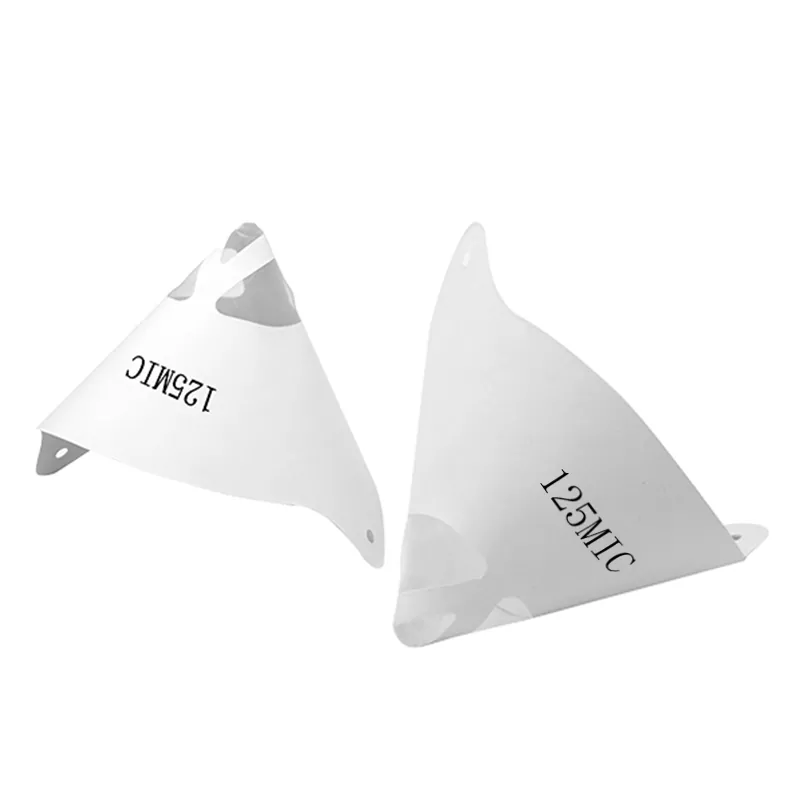
I do not see a strainer as an optional accessory. I see it as a simple checkpoint between mixed paint and the spray gun. Paint may contain dried particles, pigment clumps, dust, packaging residue, or small contaminants introduced during mixing and handling. Once those particles enter the spray system, they can affect the spray pattern, block the nozzle, and leave visible imperfections on the surface. A properly selected Paper Paint Strainer helps prevent these issues before they reach the workpiece.
Why Do I Treat Paint Filtration As A Necessary Step?
In real painting environments, even careful preparation cannot remove every risk. Paint containers are opened and closed, mixing sticks are used repeatedly, cups sit near sanding dust, and operators move quickly when production is busy. I have seen jobs fail not because the paint was poor, but because the paint was not filtered before spraying.
A Paper Paint Strainer gives the painter a fast and low-cost way to protect the spray process. It helps remove unwanted particles while allowing properly mixed coating material to pass through smoothly. For automotive refinishing, furniture coating, industrial spraying, and general workshop paint preparation, that small step can save time, material, and frustration.
- It helps reduce spray gun blockage caused by dried paint flakes or foreign particles.
- It supports a smoother finish by keeping visible contaminants away from the coating surface.
- It helps painters work with more confidence when switching between colors or materials.
- It reduces unnecessary cleaning time during and after spraying.
- It gives distributors a practical consumable that is easy to stock and repeat-order.
Which Problems Can A Paper Paint Strainer Help Prevent?
Most painters do not want another product on the workbench unless it solves a real problem. I understand that completely. The reason I recommend using a Paper Paint Strainer is that it deals with several common pain points before they become expensive.
| Common Workshop Problem | What Usually Causes It | How A Paper Paint Strainer Helps |
|---|---|---|
| Spray gun clogging | Dried paint skin, dust, pigment lumps, or debris in the mixed paint | Filters out unwanted particles before the paint enters the cup or gun system |
| Uneven spray pattern | Small contaminants affecting material flow through the nozzle | Supports a cleaner and more stable paint flow during application |
| Surface defects | Foreign particles landing in the coating layer | Helps reduce specks, bumps, and visible contamination on the finished surface |
| Extra cleaning time | Paint residue and particles trapped inside spray equipment | Reduces the chance of particles entering the equipment in the first place |
| Material waste | Rejected finish, repeated spraying, or unusable mixed paint | Improves preparation consistency and helps protect usable paint material |
For professional shops, these problems are not small annoyances. They affect delivery time, labor cost, customer satisfaction, and equipment life. That is why I prefer to solve them at the preparation stage instead of repairing the damage later.
What Should I Look For When Choosing A Paper Paint Strainer?
Not every strainer performs the same way. A low-quality strainer may collapse too easily, drain too slowly, or fail to hold paint securely during pouring. When I choose a Paper Paint Strainer, I focus on practical details rather than fancy claims.
- Mesh consistency matters because the strainer should catch impurities without blocking normal paint flow.
- Paper strength matters because the cone needs to hold paint during pouring without softening too quickly.
- Moisture resistance matters, especially when painters work with different coating systems in busy shops.
- Easy handling matters because painters need to filter quickly without spilling paint or slowing production.
- Disposable convenience matters because it reduces cleaning labor and helps avoid cross-contamination.
In my view, the best strainer is the one that disappears into the workflow. It should be easy to pick up, easy to use, and easy to discard after the job. A painter should not have to fight with a consumable during a time-sensitive spray process.
Is Mesh Size Important When Filtering Paint?
Yes, mesh size is one of the first things I consider. Different coatings have different viscosities and different filtration needs. If the mesh is too fine for a thicker material, the paint may drain slowly and interrupt the workflow. If the mesh is too open for a fine finish application, small particles may pass through and reach the spray gun.
For many users, common options such as fine and medium mesh strainers help match different coating types. A finer option is often chosen when the finish quality needs closer control, while a more open mesh can be useful when the material requires faster flow. The right Paper Paint Strainer should match the coating, the spray equipment, and the finish requirement.
| Selection Factor | Why It Matters | My Practical Suggestion |
|---|---|---|
| Paint type | Water-based and solvent-based coatings may behave differently during filtration | Choose a strainer suitable for the coating system used in your shop |
| Viscosity | Thicker paint may need better flow support | Avoid choosing a mesh that is unnecessarily fine for heavy materials |
| Finish requirement | High-quality finishes are less forgiving of small particles | Use careful filtration when surface appearance is critical |
| Spray gun setup | Nozzle size and equipment sensitivity affect clogging risk | Filter before filling the cup to protect spray performance |
| Production speed | Busy shops need consumables that do not slow the operator down | Keep suitable strainers within reach at the mixing station |
How Does A Disposable Paper Paint Strainer Improve Workshop Efficiency?
I like disposable paint preparation tools because they reduce hidden labor. A reusable filter may look economical at first, but it needs cleaning, drying, storage, and inspection. If it is not cleaned properly, it can carry old paint residue into the next job. That is a risk many shops do not want.
A disposable Paper Paint Strainer simplifies the process. The painter uses it once, filters the mixed paint, and discards it after the job. This keeps the workflow clean and reduces the chance of color contamination. It also helps teams maintain a more organized mixing area, especially when multiple colors or coating materials are handled in one day.
- I spend less time worrying about whether the filter was properly cleaned after the last job.
- I reduce the risk of old paint residue entering a new mixture.
- I keep the paint preparation area cleaner and easier to manage.
- I help operators move from mixing to spraying with fewer interruptions.
- I make inventory planning easier because strainers are lightweight, stackable, and frequently used.
For distributors and wholesalers, this also matters. A product that customers use every day creates repeat demand. A dependable strainer is not a one-time purchase; it becomes part of the normal workshop supply chain.
Do Professional Painters Really Notice The Difference?
They do, especially when the job requires a clean finish. A tiny piece of dried coating may seem harmless in the mixing cup, but once it reaches the spray gun, it can create uneven flow or surface defects. When a painter has to stop mid-job to clean the gun, sand the surface, or respray a panel, the real cost becomes obvious.
Using a Paper Paint Strainer is not about making the process look more professional. It is about protecting the result. Painters who work on cars, cabinets, machinery, metal parts, plastic components, or decorative surfaces usually understand this quickly. Clean paint preparation gives them better control over the finish.
I would rather spend a few seconds filtering paint than lose an hour correcting a defect. That is the simple workshop logic behind this product.
Why Would I Consider Qingdao Aspaint Technology Co., Ltd. For Paint Preparation Supplies?
When I evaluate a supplier for paint preparation consumables, I look beyond one product. I want to know whether the company understands how painters actually work. Qingdao Aspaint Technology Co., Ltd. focuses on practical items used around spraying and mixing, including disposable paint cup systems, paint mixing cups, spray gun adapters, paint mixing sticks, and paper strainers. That product range makes sense because these items are often used together in the same workflow.
For buyers, this can reduce sourcing complexity. Instead of purchasing related consumables from many different suppliers, a distributor or workshop can communicate with one supplier for multiple paint preparation needs. That is useful when consistency, packaging, customization, and repeat supply matter.
- Product selection fits real paint mixing and spraying workflows.
- Disposable design supports cleaner and faster workshop operation.
- Wholesale supply can help distributors manage regular demand.
- Customization options can support brand-focused buyers and regional markets.
- Related consumables make one-stop purchasing easier for paint supply businesses.
For me, a good Paper Paint Strainer should not stand alone as a random accessory. It should fit naturally into a complete paint preparation system, and that is where a supplier with related product experience becomes more valuable.
What Makes A Paper Paint Strainer Useful For Different Buyers?
Different buyers care about different things. A body shop wants fewer defects. A distributor wants stable demand and easy storage. A brand owner may want packaging that supports local resale. A production workshop wants repeatable process control. A reliable Paper Paint Strainer can serve all of these needs because it solves a basic problem shared across the coating industry.
| Buyer Type | Main Concern | Product Value |
|---|---|---|
| Automotive refinishing shop | Reducing spray defects and gun clogging | Helps keep paint cleaner before application |
| Paint distributor | Repeat sales and practical inventory | Lightweight consumable with regular customer demand |
| Industrial coating workshop | Stable process and lower downtime | Supports consistent filtration before spraying |
| Private label buyer | Brand presentation and market differentiation | Can support customized supply needs depending on order requirements |
| Hardware and paint supply retailer | Easy-to-understand product value | Simple consumable that solves a clear painting problem |
How Should I Use A Paper Paint Strainer In A Better Workflow?
I always recommend placing filtration between mixing and filling. That sounds simple, but it is the point where many problems can be removed. After paint is mixed to the correct ratio and stirred evenly, it should pass through the strainer into a clean cup or spray system. The painter should avoid rushing this step, especially when working with coatings that have been stored for a while.
- First, I check that the paint has been mixed according to the coating supplier’s instructions.
- Then, I place the Paper Paint Strainer securely over the receiving cup.
- I pour steadily instead of dumping paint too quickly.
- I watch the flow to make sure the paint passes through smoothly.
- After filtration, I discard the used strainer and keep the work area clean.
This process does not need to be complicated. The goal is to remove avoidable contamination without slowing the painter down. Once the habit is built into the workflow, it becomes one of the easiest quality-control steps in the shop.
Can A Small Paint Strainer Help Reduce Rework Costs?
Yes, and this is where I think many buyers underestimate the product. The price of a strainer is small compared with the cost of rework. Rework can involve sanding, cleaning, remixing, respraying, extra booth time, delayed delivery, and customer complaints. Even one prevented defect can justify the habit of filtration.
A Paper Paint Strainer helps reduce risk at one of the most practical stages of the painting process. It cannot replace proper surface preparation, correct mixing, or skilled spraying, but it supports all of them by keeping the material cleaner before application. That is why I consider it a basic part of professional paint preparation rather than an optional extra.
What Is The Smarter Way To Source Paper Paint Strainers?
When I source this kind of consumable, I do not only ask for price. I ask whether the product is stable, whether the mesh options suit the market, whether the paper cone handles paint properly, whether packaging can support resale, and whether the supplier can respond to repeat demand. Cheap products become expensive when they create complaints.
For businesses that sell or use painting consumables regularly, the smarter approach is to compare value across quality, supply capacity, customization, and service. A dependable Paper Paint Strainer should help painters work cleaner, help distributors sell confidently, and help workshops protect finish quality.
If you are looking for a practical paint filtration solution for automotive refinishing, industrial coating, furniture painting, or resale distribution, I would recommend discussing your needs with Qingdao Aspaint Technology Co., Ltd. Share your target market, preferred mesh option, packaging requirements, and order plan, and the team can help you match the right product. For pricing, samples, wholesale details, or customized supply, leave an inquiry today or contact us to start the conversation.