

How Does Non-Intumescent Fireproof Paint Work and Protect Structures?
2026-06-23
Abstract
Non-Intumescent Fireproof Paint is a specialized protective coating designed to enhance the fire resistance of structural materials without expanding or forming a char layer when exposed to high temperatures. Instead, it relies on stable thermal insulation mechanisms and durable chemical composition to slow heat transfer and protect underlying substrates such as steel, concrete, and wood.
This article explains how Non-Intumescent Fireproof Paint works, where it is used, its advantages and limitations, and how to choose the right system for different engineering and industrial applications. It also includes practical comparisons, application guidelines, and frequently asked questions to help buyers and engineers make informed decisions.
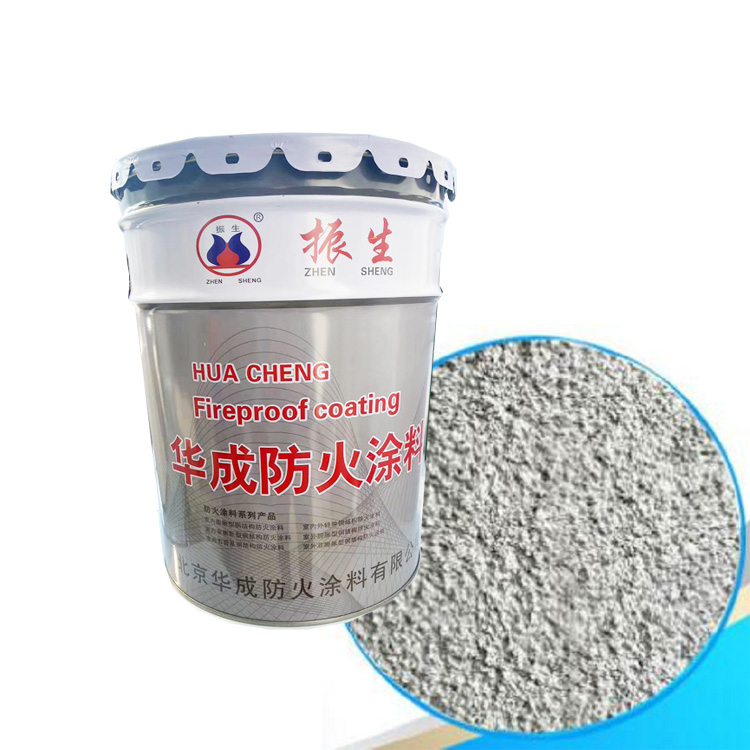
Table of Contents
Outline Overview
To understand Non-Intumescent Fireproof Paint effectively, it is essential to explore its material science, heat resistance mechanism, industry use cases, and practical selection criteria. This structured overview ensures clarity for engineers, contractors, procurement specialists, and facility managers seeking reliable passive fire protection solutions.
What Is Non-Intumescent Fireproof Paint?
Non-Intumescent Fireproof Paint is a type of passive fire protection coating that does not swell or expand when exposed to fire. Unlike intumescent systems that create a foam-like char layer, this coating maintains its original thickness while resisting heat penetration through inherently heat-resistant compounds such as ceramic fillers, inorganic binders, and thermally stable resins.
It is commonly used in environments where dimensional stability is required and where surface aesthetics or mechanical properties must remain unchanged during exposure to high temperatures.
How It Works in Fire Conditions
The protective mechanism of Non-Intumescent Fireproof Paint is based on thermal barrier formation rather than expansion. When exposed to fire or extreme heat, the coating behaves in the following ways:
- Heat absorption resistance: Ceramic and mineral fillers slow down heat transfer.
- Stable film formation: The coating remains intact without bubbling or swelling.
- Low thermal conductivity: Internal structure minimizes heat penetration to the substrate.
- Oxidation resistance: Prevents rapid degradation of coated materials under high temperatures.
Unlike expanding coatings, this system focuses on endurance and structural stability, making it suitable for environments requiring long-term thermal resilience.
Non-Intumescent vs Intumescent Coatings
Understanding the differences between coating types helps determine the right fire protection strategy for a project.
| Feature | Non-Intumescent Fireproof Paint | Intumescent Fireproof Paint |
|---|---|---|
| Reaction to Heat | No expansion; remains stable | Expands into insulating char layer |
| Protection Mechanism | Thermal resistance barrier | Insulating foam layer |
| Thickness Behavior | Constant thickness | Increases significantly under heat |
| Best Use Case | Harsh industrial environments | Architectural steel structures |
| Maintenance | Low maintenance | Requires periodic inspection |
Key Application Areas
Non-Intumescent Fireproof Paint is widely applied in industries where stability, durability, and environmental resistance are critical.
- Oil and gas facilities with high thermal exposure risks
- Power plants and transformer stations
- Industrial steel structures and frameworks
- Marine and offshore engineering structures
- Chemical processing plants
- Infrastructure tunnels and underground systems
Advantages and Limitations
Advantages:
- Excellent resistance to high and sustained temperatures
- Stable physical structure under fire exposure
- Strong resistance to corrosion and environmental degradation
- Suitable for chemically aggressive environments
- Long service life with minimal maintenance
Limitations:
- No expansion-based insulation effect
- May require thicker application for equivalent fire ratings
- Less common in decorative architectural uses
How to Choose the Right Product
Selecting the appropriate Non-Intumescent Fireproof Paint depends on environmental conditions, substrate type, and required fire resistance rating. Key considerations include:
- Temperature exposure range: Continuous vs peak exposure
- Substrate compatibility: Steel, concrete, or composite structures
- Chemical exposure: Acidic, alkaline, or saline environments
- Fire rating requirements: Industry standards compliance
- Application method: Spray, brush, or roller systems
Professional suppliers such as ZhengSheng provide engineered coating systems tailored for industrial-grade fire protection needs.
Application Guidelines
Proper application is essential to ensure the coating performs effectively under fire conditions. The general process includes:
- Surface preparation: Remove rust, oil, and contaminants
- Primer application: Apply compatible anti-corrosion primer
- Coating application: Apply Non-Intumescent Fireproof Paint evenly
- Layer control: Maintain recommended thickness per coat
- Curing process: Allow full drying under controlled conditions
Improper surface preparation or uneven coating thickness may significantly reduce fire resistance performance.
Performance Comparison Table
| Parameter | Performance Level |
|---|---|
| Thermal Stability | High |
| Corrosion Resistance | High |
| Fire Endurance | Up to 120–180 minutes (depending on system) |
| Maintenance Requirement | Low |
| Environmental Resistance | Strong in industrial conditions |
FAQ
1. What makes Non-Intumescent Fireproof Paint different?
It does not expand under heat; instead, it resists fire through stable thermal insulation materials.
2. Is it suitable for outdoor environments?
Yes, especially when formulated with weather-resistant binders and protective additives.
3. Can it replace intumescent coatings?
It depends on the application. In industrial environments, it often performs better, while architectural projects may prefer intumescent systems.
4. How long does it last?
With proper application, it can last many years with minimal degradation.
5. Is maintenance required?
Minimal maintenance is needed, but periodic inspection is recommended in harsh environments.
Conclusion & Contact
Non-Intumescent Fireproof Paint provides a robust and stable fire protection solution for industries that demand high thermal resistance without structural change during exposure. Its reliability in extreme environments makes it a preferred choice for heavy industry, infrastructure, and energy systems.
For engineered fire protection systems and customized coating solutions, ZhengSheng offers professional-grade Non-Intumescent Fireproof Paint designed for demanding industrial applications.
For further technical consultation, product specifications, or tailored solutions, please contact us today to discuss your project requirements and receive expert support.