

Article Summary
Non-Intumescent Fireproof Paint is widely used in industrial fire protection systems where long-term thermal resistance, structural stability, and reliable performance are required. Unlike intumescent coatings that expand and form a protective char layer when exposed to heat, non-intumescent solutions rely on dense insulation barriers and heat-resistant materials to slow down temperature transfer.
This article explains how Non-Intumescent Fireproof Paint works, why engineers choose it for demanding environments, how to apply it correctly, and how ZhengSheng provides professional fire protection coating solutions for industrial applications.
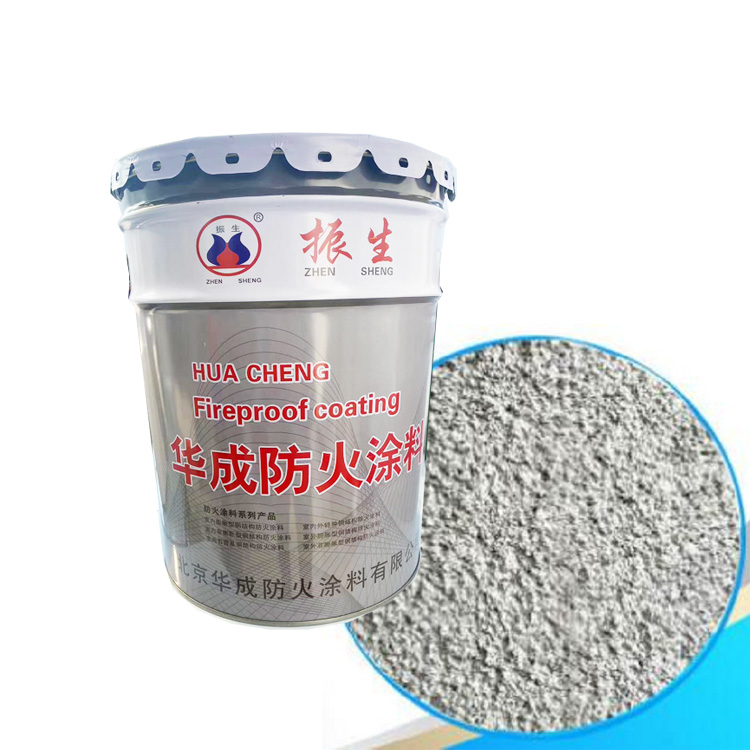
What Is Non-Intumescent Fireproof Paint?
Non-Intumescent Fireproof Paint is a passive fire protection coating designed to protect structural materials from high-temperature exposure without expanding during a fire. Instead of creating a foamed carbon layer like intumescent coatings, this type of coating forms a stable protective barrier that reduces heat transfer and helps maintain the integrity of the protected substrate.
In many industrial environments, fire protection materials need to withstand harsh conditions such as continuous heat, mechanical impact, humidity, chemicals, and outdoor exposure. Non-Intumescent Fireproof Paint is developed for these demanding applications because its structure remains stable instead of relying on expansion reactions.
ZhengSheng focuses on developing reliable fire-resistant coating solutions that combine thermal insulation performance, coating durability, and application flexibility for different industrial projects.
| Feature | Non-Intumescent Fireproof Paint | Traditional Intumescent Coating |
|---|---|---|
| Heat reaction | Maintains a stable protective layer | Expands and forms an insulating char layer |
| Structure change | No significant expansion | Volume increases under high temperature |
| Typical advantage | Excellent stability in industrial environments | Thin coating design with fire expansion protection |
| Common applications | Heavy industry, steel structures, equipment protection | Architectural and commercial steel protection |
How Does Non-Intumescent Fireproof Paint Work?
The working principle of Non-Intumescent Fireproof Paint is based on thermal insulation rather than expansion. When exposed to flames or extreme temperatures, the coating acts as a protective shield that slows heat penetration into the substrate.
1. Creating a Thermal Barrier
The coating contains heat-resistant components and insulating fillers that reduce the speed of heat transfer. This allows steel structures and other substrates to remain below critical temperatures for a longer period during fire exposure.
2. Maintaining Structural Stability
Industrial facilities often require coatings that remain physically stable under thermal stress. Because Non-Intumescent Fireproof Paint does not depend on swelling, it can provide consistent protection without major volume changes.
3. Improving Long-Term Protection
Besides fire resistance, many industrial users also consider corrosion resistance, weather durability, and maintenance requirements. A properly selected coating system helps protect equipment and structures throughout long service periods.
Why Industrial Projects Use Non-Intumescent Fireproof Paint
Fire safety requirements in industrial environments are different from ordinary building applications. Facilities such as factories, chemical plants, energy stations, and offshore structures often face higher temperatures, aggressive environments, and continuous operational challenges.
Non-Intumescent Fireproof Paint provides several practical benefits for these applications:
- Stable Performance Under Heat: The coating maintains a protective structure instead of relying on expansion.
- Suitable for Heavy-Duty Environments: Designed for industrial structures exposed to demanding conditions.
- Lower Maintenance Requirements: Durable coating properties help reduce frequent repair work.
- Flexible Application Options: Suitable for different substrates and project conditions.
- Long-Term Protection: Helps extend the service life of protected components.
Where Is Non-Intumescent Fireproof Paint Used?
The selection of fire protection coating depends on the environment, temperature exposure, substrate type, and required protection period. Non-Intumescent Fireproof Paint is commonly considered for applications where stable thermal protection is required.
| Industry | Application Areas |
|---|---|
| Steel Construction | Steel beams, columns, frameworks, and supporting structures |
| Petrochemical Industry | Processing equipment, platforms, and industrial facilities |
| Energy Sector | Power plants, substations, and heavy equipment structures |
| Manufacturing Facilities | Production buildings and industrial workshops |
| Transportation Infrastructure | Large steel structures and engineering projects |
How to Apply Non-Intumescent Fireproof Paint Correctly?
Proper installation directly affects fire protection performance. Even high-quality coatings cannot achieve expected results if surface preparation and application procedures are ignored.
- Surface Preparation: Remove rust, dust, oil, moisture, and other contaminants before coating.
- Primer Application: Apply a compatible primer when required to improve adhesion and corrosion protection.
- Fireproof Coating Application: Apply the coating evenly according to project specifications.
- Thickness Inspection: Check coating thickness to ensure the required protection level is achieved.
- Curing Process: Allow sufficient curing time before putting the structure into service.
Common Application Mistakes to Avoid
- Applying coating on contaminated surfaces.
- Ignoring environmental conditions during construction.
- Using incompatible primers or topcoats.
- Failing to control coating thickness.
- Skipping regular inspection after installation.
How to Select the Right Non-Intumescent Fireproof Paint?
Choosing the correct fireproof coating requires more than checking product specifications. Engineers and purchasing teams should evaluate several factors before confirming a solution.
| Selection Factor | Why It Matters |
|---|---|
| Operating Environment | Indoor, outdoor, chemical, marine, or high-temperature conditions require different coating systems. |
| Substrate Material | Steel, concrete, and other materials may require different preparation methods. |
| Fire Protection Requirement | The coating system should match the required fire resistance performance. |
| Application Method | Spraying, brushing, or other methods affect construction efficiency. |
ZhengSheng works closely with customers to understand project conditions and provide suitable Non-Intumescent Fireproof Paint solutions for different industrial requirements.
Frequently Asked Questions
Q1: What is the difference between Non-Intumescent Fireproof Paint and intumescent coating?
Non-Intumescent Fireproof Paint provides protection through a stable thermal barrier, while intumescent coatings expand under heat to create an insulating layer.
Q2: Can Non-Intumescent Fireproof Paint be used for steel structures?
Yes. It is commonly used for industrial steel structures where thermal protection and structural stability are important considerations.
Q3: Does coating thickness affect fire protection performance?
Yes. The required thickness depends on the coating system design, substrate condition, and project requirements.
Q4: Can ZhengSheng provide customized fireproof coating solutions?
Yes. ZhengSheng provides professional coating solutions based on application environments, technical requirements, and customer project conditions.
Q5: How long can Non-Intumescent Fireproof Paint last?
Service life depends on environmental conditions, coating quality, installation methods, and regular maintenance.
Conclusion
Non-Intumescent Fireproof Paint offers a reliable approach to passive fire protection by providing stable thermal resistance and long-term coating performance. For industrial projects where durability, structural protection, and consistent performance are important, selecting the right coating system is a key part of fire safety planning.
With professional experience in protective coating solutions, ZhengSheng continues to provide dependable Non-Intumescent Fireproof Paint products designed for industrial applications worldwide.
Need a Reliable Fire Protection Solution?
If you are searching for high-performance Non-Intumescent Fireproof Paint for your industrial project, ZhengSheng can provide professional support, customized solutions, and technical assistance.
Contact us today to discuss your requirements and get a suitable fireproof coating solution for your application.