How Does Air Dry Screen Printing Ink Improve Printing Efficiency and Quality?
2026-07-31
Article Summary
Air Dry Screen Printing Ink is widely used in various printing applications where fast drying, strong adhesion, and excellent color performance are required. However, many manufacturers and printing businesses face challenges such as slow curing speed, poor ink adhesion, fading colors, and production inefficiency. Choosing the right ink solution can significantly improve printing results while reducing operational costs.
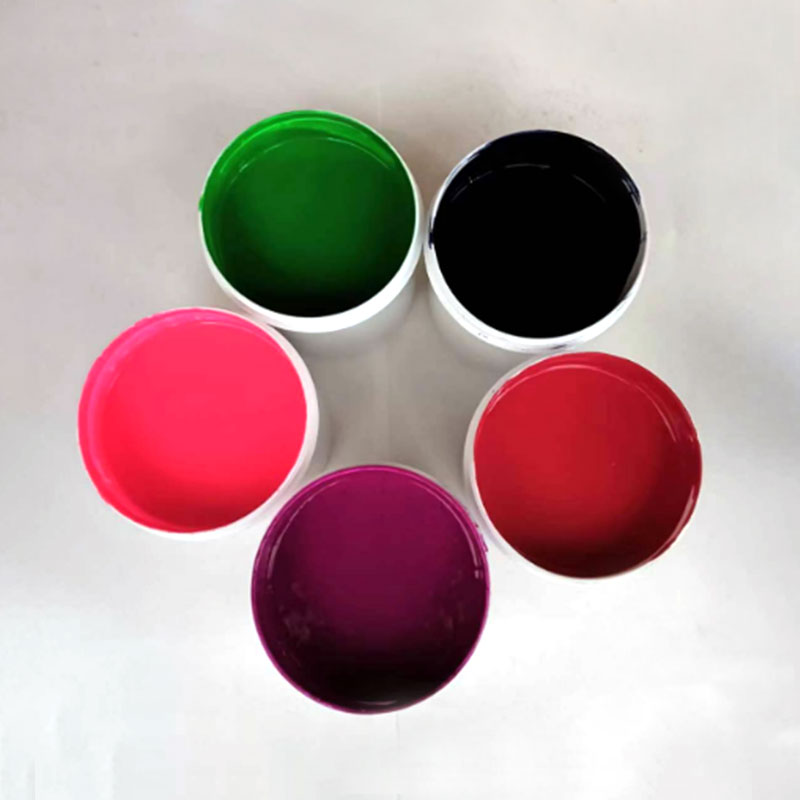
This article explains how Air Dry Screen Printing Ink works, why it is an ideal choice for different substrates, what factors influence printing performance, and how businesses can select the right ink for their specific needs. With professional experience in ink development and manufacturing, Lijunxin provides reliable screen printing ink solutions designed to meet diverse industrial requirements.
Table of Contents
- 1. What Is Air Dry Screen Printing Ink?
- 2. How Does Air Dry Screen Printing Ink Work?
- 3. What Advantages Does Air Dry Screen Printing Ink Provide?
- 4. Where Is Air Dry Screen Printing Ink Used?
- 5. How to Select the Right Air Dry Screen Printing Ink?
- 6. Common Printing Problems and Solutions
- 7. Air Dry Screen Printing Ink vs Other Printing Inks
- 8. Frequently Asked Questions
- 9. Conclusion
1. What Is Air Dry Screen Printing Ink?
Air Dry Screen Printing Ink is a specialized ink designed to dry naturally after printing without requiring additional heating equipment or ultraviolet curing systems. It forms a durable ink film through solvent evaporation and chemical bonding, allowing printed patterns to achieve strong adhesion and long-lasting performance.
Unlike traditional inks that may require complex drying processes, Air Dry Screen Printing Ink offers a more convenient solution for manufacturers who need efficient production and consistent printing quality. It can be applied to various materials, including plastics, metals, glass, ceramics, and other industrial substrates.
Modern printing industries demand inks that can provide excellent appearance while maintaining durability. Air Dry Screen Printing Ink meets these requirements by combining smooth printing performance, reliable drying speed, and resistance against environmental factors.
| Feature | Description |
|---|---|
| Drying Method | Natural air drying through solvent evaporation and curing reaction |
| Printing Process | Suitable for screen printing applications |
| Substrate Compatibility | Plastic, metal, glass, ceramic, and industrial materials |
| Main Benefits | Fast drying, strong adhesion, excellent color stability |
2. How Does Air Dry Screen Printing Ink Work?
The working principle of Air Dry Screen Printing Ink is based on the controlled evaporation of solvents and the formation of a stable ink layer on the printed surface. During the printing process, the ink passes through the screen mesh and transfers onto the substrate. After printing, solvents gradually evaporate, allowing the remaining components to create a solid and durable coating.
The drying process typically involves several stages:
- Ink Transfer: The screen printing equipment pushes ink through the mesh onto the target surface.
- Solvent Evaporation: Volatile components leave the ink layer, accelerating drying.
- Film Formation: Resin components create a strong protective layer.
- Final Curing: The printed surface reaches stable physical and chemical properties.
The quality of the final print depends on ink formulation, environmental conditions, substrate preparation, and printing parameters. Professional manufacturers such as Lijunxin focus on developing balanced formulas that provide excellent printing results under different working conditions.
3. What Advantages Does Air Dry Screen Printing Ink Provide?
Choosing the correct printing ink directly affects production efficiency, product appearance, and long-term durability. Air Dry Screen Printing Ink provides several important advantages for industrial and commercial printing operations.
- Fast Drying Performance: The ink dries efficiently under normal environmental conditions, reducing waiting time between printing processes.
- Excellent Adhesion: The ink bonds effectively with different substrates, helping prevent peeling, cracking, and surface damage.
- High Color Accuracy: Advanced formulations provide bright colors and stable visual performance.
- Strong Resistance: Printed surfaces can maintain performance against abrasion, moisture, and daily usage.
- Easy Production Management: No additional curing equipment is required, which can simplify production processes.
For companies looking to improve printing efficiency while maintaining quality standards, Air Dry Screen Printing Ink offers a practical and economical choice.
4. Where Is Air Dry Screen Printing Ink Used?
Because of its versatility, Air Dry Screen Printing Ink is widely adopted across multiple industries. Different applications require different levels of durability, appearance, and adhesion, making ink selection an important factor.
- Electronic Products: Used for printing labels, markings, and decorative patterns on electronic components.
- Plastic Products: Suitable for packaging materials, containers, and plastic accessories.
- Glass Printing: Applied for decorative designs and identification marks on glass surfaces.
- Metal Products: Used for industrial signs, equipment panels, and metal decorations.
- Advertising Materials: Provides clear and attractive graphics for promotional products.
The flexibility of Air Dry Screen Printing Ink allows manufacturers to achieve reliable printing performance across different production environments.
5. How to Select the Right Air Dry Screen Printing Ink?
Selecting suitable ink requires careful consideration of the printing material, production environment, and final product requirements. Using an unsuitable ink may result in poor adhesion, slow drying, or reduced durability.
| Selection Factor | Important Considerations |
|---|---|
| Substrate Material | Choose ink according to plastic, metal, glass, or other surfaces. |
| Drying Requirements | Consider production speed and environmental conditions. |
| Durability Needs | Select formulas with suitable resistance properties. |
| Color Requirements | Ensure stable color reproduction and appearance. |
Working with an experienced ink supplier helps businesses avoid common problems and achieve consistent printing performance. Lijunxin develops customized solutions based on different customer applications and production requirements.
6. Common Printing Problems and Solutions
Even with high-quality ink, improper printing conditions may affect the final result. Understanding common issues can help operators improve efficiency.
- Poor Adhesion: Often caused by surface contamination or incorrect ink selection. Cleaning the substrate and choosing suitable ink can improve bonding.
- Slow Drying: May result from excessive ink thickness or unsuitable environmental humidity. Adjusting printing conditions can accelerate drying.
- Uneven Printing: Can occur due to incorrect screen parameters or improper ink viscosity.
- Color Difference: May happen because of inconsistent mixing or unsuitable storage conditions.
Proper equipment adjustment, correct ink handling, and professional technical support are essential for maintaining stable printing quality.
7. Air Dry Screen Printing Ink vs Other Printing Inks
| Comparison Item | Air Dry Screen Printing Ink | Other Printing Inks |
|---|---|---|
| Drying Method | Natural air drying | May require heat or UV curing |
| Equipment Requirement | Simple production setup | May require additional curing systems |
| Application Range | Suitable for multiple substrates | Often limited to specific materials |
| Production Efficiency | Supports flexible manufacturing processes | Depends on curing technology |
The choice between different ink technologies depends on production goals, material requirements, and cost considerations. For many applications, Air Dry Screen Printing Ink provides a balanced combination of performance and convenience.
8. Frequently Asked Questions
Q1: How long does Air Dry Screen Printing Ink take to dry?
Drying time depends on ink type, coating thickness, temperature, humidity, and substrate material. Under suitable conditions, many formulations can achieve efficient drying within a practical production timeframe.
Q2: Can Air Dry Screen Printing Ink be used on plastic surfaces?
Yes. Many Air Dry Screen Printing Ink formulations are designed for plastic materials. However, selecting the correct formula according to the plastic type is important for achieving strong adhesion.
Q3: Does Air Dry Screen Printing Ink require special equipment?
Generally, it does not require additional curing equipment. Standard screen printing equipment and suitable drying conditions are usually sufficient.
Q4: How can printing quality be improved?
Printing quality can be improved by selecting suitable ink, preparing the substrate correctly, controlling ink viscosity, and maintaining stable production conditions.
Q5: Why choose Lijunxin Air Dry Screen Printing Ink?
Lijunxin focuses on developing reliable ink products with consistent performance, helping customers achieve efficient printing processes and high-quality finished products.
9. Conclusion
Air Dry Screen Printing Ink plays an important role in modern printing applications by providing efficient drying, strong adhesion, and excellent appearance. Whether used for industrial components, packaging products, decorative printing, or electronic applications, selecting the right ink solution can improve production efficiency and product value.
With professional manufacturing experience and customized ink solutions, Lijunxin helps customers overcome printing challenges and achieve stable results. If you need high-quality Air Dry Screen Printing Ink for your specific application, please contact us for professional support and customized solutions.