
Automotive paint has evolved beyond conventional solid colors and metallic finishes. Vehicle manufacturers, custom paint specialists, and coating formulators increasingly explore special-effect materials that create visual depth and dramatic color transitions. Transparent Color-Shifting Pigments for Car Paint offer a distinctive solution by allowing light to interact with engineered pigment flakes and the underlying coating, producing different hues as the viewing angle changes.
However, achieving a vivid, consistent finish requires more than adding effect pigment to ordinary paint. The basecoat color, pigment concentration, dispersion method, film thickness, application technique, and clearcoat system all influence the final appearance. This guide explains how transparent color-shifting pigments work, how to incorporate them into automotive coatings, and how to avoid common formulation and production problems.
1. Understanding Transparent Color-Shifting Pigments
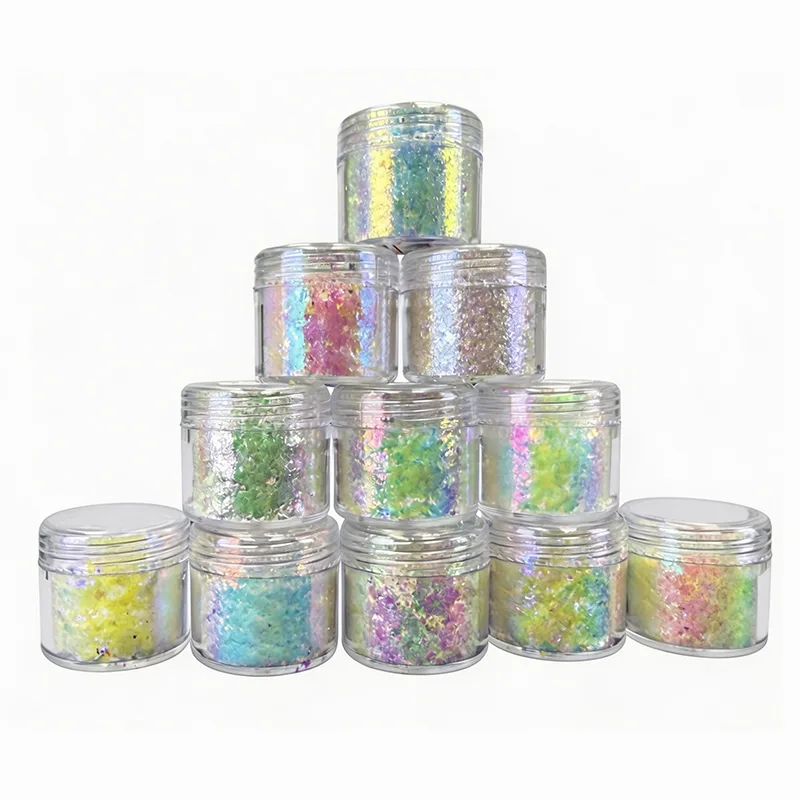
Transparent color-shifting pigments are special-effect materials designed to create angle-dependent color changes while allowing a significant amount of light to pass through or interact with their optical structure. Depending on the pigment technology, the flakes may use carefully engineered multilayer structures that produce interference effects when illuminated.
Unlike conventional opaque pigments, which primarily provide color by absorbing and reflecting selected wavelengths, transparent effect pigments allow the underlying substrate or basecoat to contribute to the final visual result. This interaction creates a sense of depth, changing highlights, and distinctive color travel across curved vehicle panels.
Depending on the grade, the visible color transition may include combinations such as blue to purple, green to reddish purple, or other contrasting hues. The precise effect depends on the pigment structure, lighting, observation angle, basecoat, and coating formulation.
For automotive paint developers, these pigments are particularly useful when a finish needs to look sophisticated under different lighting conditions without relying entirely on a solid, opaque color layer.
2. How Color-Shifting Technology Works
The appearance of a color-shifting coating is influenced by optical interference. In many effect pigments, light reflects from different interfaces within a multilayer structure. The reflected light waves interact, reinforcing some wavelengths while reducing others. As the illumination and viewing geometry changes, the balance of reflected wavelengths changes as well.
Angle-Dependent Color Travel
When a vehicle is viewed from the front, the paint may display one dominant hue. As the observer moves toward the side of the vehicle, the reflected color can shift to another hue. This change is commonly called color travel or a color-flop effect.
The result is a dynamic surface appearance rather than a uniform color that remains visually constant from every direction. Curved body panels can make this effect especially noticeable because different areas reflect light at different angles.
The Role of Transparency
Transparent effect pigments allow the underlying basecoat to influence the finished color. This is particularly valuable when formulators want to combine a deep background color with bright optical highlights.
Why Flake Orientation Matters
The optical effect depends partly on how the pigment flakes align within the dried coating. If the flakes lie relatively consistently along the surface, their optical behavior is more coordinated. Poor orientation can lead to uneven highlights, inconsistent color travel, or a dull appearance.
| Optical Factor | Influence on Appearance | Practical Consideration |
|---|---|---|
| Pigment structure | Determines characteristic interference behavior | Select a grade with the desired color transition |
| Viewing angle | Changes the perceived hue and brightness | Evaluate panels from several angles |
| Basecoat color | Influences depth, contrast, and saturation | Test the pigment over the intended ground color |
| Flake orientation | Affects uniformity and optical intensity | Control dispersion and spray application |
| Clearcoat and film build | Influence gloss, depth, and surface uniformity | Validate the complete coating stack |
3. Key Benefits for Automotive Paint
Distinctive Visual Identity
Color-shifting pigments help automotive designers develop finishes that stand apart from standard solid, metallic, and conventional pearlescent colors. The changing appearance can create a premium visual identity for custom vehicles, specialty models, and limited-edition finishes.
Greater Visual Depth
Because transparent pigments interact with the underlying color layer, the coating can produce a layered appearance with contrasting highlights and shadows. When properly formulated, this can make body contours and sculpted panels appear more expressive.
Flexible Color Design
Transparent effect pigments provide opportunities to explore different basecoat colors and pigment combinations. Formulators can develop a range of visual styles, from dramatic high-contrast finishes to more subtle color travel suitable for premium automotive designs.
Potential for Premium Customization
Vehicle customization businesses can use color-shifting finishes to offer distinctive paint options. The appearance changes as lighting and viewing position change, creating a memorable finish for customers who want something beyond conventional automotive colors.
Compatibility With Carefully Designed Coating Systems
Certain transparent effect pigment grades are designed for use in coating systems such as acrylic and polyurethane formulations. Compatibility must still be verified for the specific resin, solvent or waterborne system, additives, curing conditions, and intended service environment.
4. Automotive Applications and Design Possibilities
Transparent color-shifting pigments can be used in several automotive coating applications, provided the selected grade meets the relevant technical and performance requirements.
Premium Automotive Finishes
High-end automotive finishes often use transparent effect pigments to achieve strong color saturation and a layered appearance. A dark basecoat can create a dramatic contrast, while other ground colors can be tested when the design calls for a softer or more unusual effect.
Custom Vehicle Paint
Custom body shops and specialist coating developers can use color travel to create personalized finishes. The ability to change hue across the vehicle body makes these pigments attractive for show cars, performance vehicles, and bespoke projects.
Automotive Refinish and Restoration
Specialty refinish projects may use color-shifting pigments when the customer requests a distinctive appearance. Reproducibility is particularly important for repair work because the repaired panel must visually integrate with adjacent surfaces.
Decorative Automotive Components
Depending on coating requirements, effect pigments may also be evaluated for selected exterior or interior components, trim parts, decorative panels, and other coated surfaces. Chemical resistance, abrasion resistance, adhesion, and applicable safety requirements should be checked for each use.
| Application | Design Objective | Key Requirement |
|---|---|---|
| Premium vehicle paint | Deep color and dramatic color travel | Optical consistency and durable coating performance |
| Custom automotive finishes | Unique color combinations | Flexible formulation and repeatable application |
| Automotive refinish | Consistent repair appearance | Careful color matching and panel testing |
| Decorative components | Distinctive visual effects | Substrate compatibility and suitable durability |
5. Why the Basecoat Matters
One of the most important decisions in developing a transparent color-shifting automotive finish is selecting the basecoat. Because the pigment allows the underlying layer to influence the final appearance, the same effect pigment can look substantially different over different base colors.
Dark Basecoats for Strong Contrast
Black and other dark basecoats are commonly tested when a formulation requires strong color contrast and a pronounced shifting effect. The dark background absorbs more of the light that passes through the transparent effect layer, allowing the reflected interference colors to stand out.
Light Basecoats for Different Visual Effects
White, silver, and lighter colored basecoats may create a softer or more diluted appearance, depending on the pigment and formulation. They can be useful for specialized designs, but the finished appearance should be evaluated experimentally rather than predicted from pigment color alone.
Build a Controlled Sample Panel
Before full production, prepare test panels using the actual substrate preparation, primer, basecoat, effect layer, and clearcoat intended for the project. Evaluate the panels under daylight, indoor lighting, and several viewing angles.
6. Formulation and Dispersion Best Practices
Proper formulation helps preserve the optical properties of transparent color-shifting pigments. The objective is to distribute the flakes evenly while minimizing unnecessary damage to their structure.
Choose a Compatible Binder System
The resin system affects adhesion, film formation, gloss, chemical resistance, and compatibility with the pigment. Confirm that the selected grade is suitable for the intended acrylic, polyurethane, or other coating chemistry.
Control Pigment Concentration
Increasing pigment concentration does not always produce a stronger or better color-shifting effect. Excessive loading may increase scattering, reduce transparency, impair leveling, or make the coating more difficult to apply consistently.
Start with the pigment supplier's recommended dosage range and prepare several controlled samples. The optimum concentration depends on the pigment grade, coating solids, application method, target appearance, and film thickness.
Use Appropriate Mixing Conditions
Many flake-based effect pigments are sensitive to aggressive mechanical processing. Excessive shear can damage delicate particles or alter their optical performance. For grades with this sensitivity, use the supplier's recommended low-to-medium shear mixing procedure instead of automatically applying high-energy dispersion methods used for conventional pigments.
Check Additives and Other Pigments
Matting agents, waxes, opaque colorants, fillers, and other additives can change transparency, reflectance, surface smoothness, and flake orientation. These materials should be evaluated carefully when a strong optical effect is required.
Maintain Batch Consistency
Record pigment dosage, mixing time, mixing speed, viscosity, application settings, film thickness, and curing conditions. Controlled records make it easier to reproduce approved colors and identify the cause of variation between batches.
7. Application and Quality Control
A well-designed formulation can still produce disappointing results if the coating is applied inconsistently. Automotive panels have complex curves and different orientations, so spray technique and film build need particular attention.
Prepare a Smooth Substrate
Surface defects beneath a transparent effect layer can remain visible or become more noticeable under directional lighting. Proper cleaning, sanding, priming, and surface preparation help establish a uniform foundation.
Control Spray Technique
Gun distance, spray overlap, atomization, application speed, and flash-off conditions can affect the distribution and orientation of effect flakes. Follow the coating manufacturer's application instructions and validate the settings using sample panels.
Manage Film Thickness
Uneven film build may create visible color differences across panels. Excessive thickness can also cause runs, sagging, or curing issues, while insufficient build may weaken the intended visual effect.
Apply a Compatible Clearcoat
A suitable clearcoat helps provide gloss, surface protection, and resistance to environmental exposure. Compatibility, adhesion, curing conditions, and the complete coating stack must be verified for the intended application.
Inspect Under Multiple Viewing Conditions
- Check the face color and side-angle color travel.
- Look for mottling, streaks, cloudy areas, or uneven highlights.
- Compare panels under daylight and controlled indoor lighting.
- Verify gloss, smoothness, adhesion, and film thickness.
- Conduct relevant durability tests before commercial release.
For automotive exterior applications, testing may include weathering, UV exposure, humidity, chemical resistance, adhesion, and other requirements defined by the coating specification. Performance should be established through testing rather than inferred from appearance alone.
8. How to Select the Right Transparent Color-Shifting Pigment
Selecting the right grade begins with defining the intended visual effect and the performance requirements of the final coating. Purchasing by color name alone can lead to mismatches between the desired appearance and the actual application.
Step 1: Define the Desired Color Transition
Specify the primary hue, secondary hue, intensity, and level of visual contrast. Reference panels or physical samples are more useful than a digital image alone because screens cannot accurately reproduce every interference effect.
Step 2: Confirm Transparency and Particle Size
Different grades may vary in transparency, particle-size distribution, sparkle, and surface appearance. Particle size can influence visual smoothness and effect intensity, as well as compatibility with the application equipment. Check the technical data sheet for the selected grade.
Step 3: Verify Temperature and Chemical Requirements
Automotive coating processes can involve elevated curing temperatures and demanding service conditions. Confirm the pigment's specified temperature resistance and its compatibility with the intended binder, solvents, and processing conditions.
Step 4: Evaluate Durability
The complete coating system should be evaluated for outdoor exposure, UV stability, moisture resistance, and other project-specific requirements. Pigment heat resistance alone does not establish the weathering performance of the finished automotive paint.
Step 5: Request Technical Documentation and Samples
A qualified supplier should be able to provide relevant product specifications and application guidance. Request representative samples and test them in the actual formulation before scaling up.
| Selection Criterion | What to Confirm | Why It Matters |
|---|---|---|
| Color travel | Face color, side color, transition intensity | Ensures the desired visual result |
| Transparency | How strongly the basecoat remains visible | Determines depth and background influence |
| Particle size | Grade data and application suitability | Affects surface appearance and processing |
| Compatibility | Binder chemistry and additive interactions | Helps prevent formulation instability |
| Durability | Temperature, weathering, and chemical requirements | Supports the intended service conditions |
| Supplier support | Technical data, samples, application advice | Reduces development and scale-up risk |
9. Common Problems and Practical Solutions
Problem: The Color Shift Looks Weak
A pale basecoat, excessive opaque pigments, unsuitable effect loading, or poor flake orientation may weaken the intended color travel. Test alternative basecoat colors and review the formulation before increasing pigment concentration.
Problem: The Finish Looks Cloudy or Uneven
Uneven application, excessive shear, incompatible additives, or poor substrate preparation may contribute to inconsistent appearance. Review the mixing procedure and application conditions, then compare results on controlled test panels.
Problem: Different Panels Look Different
Variation in film thickness, spray overlap, drying conditions, panel geometry, and flake orientation can create visible differences. Standardize application parameters and approve the coating under multiple viewing angles.
Problem: The Effect Changes After Clearcoating
The clearcoat changes the optical path through the coating system and can influence gloss and perceived depth. Evaluate the complete multilayer coating rather than approving the effect layer alone.
Problem: Production Results Differ From Laboratory Samples
Laboratory and production equipment may produce different mixing energy, film thickness, evaporation rates, and spray patterns. Scale-up should include controlled pilot trials and documented process parameters before full production.
10. Frequently Asked Questions
1. What are transparent color-shifting pigments for car paint?
They are special-effect pigments that produce angle-dependent color changes while allowing the underlying coating color to influence the finished appearance. They are used to create distinctive automotive finishes with depth and color travel.
2. How do transparent color-shifting pigments change color?
Many grades use multilayer optical structures that generate interference when light reflects from different interfaces. As the viewing angle changes, the wavelengths reinforced by interference change, producing a different perceived color.
3. Which basecoat is best for transparent color-shifting pigments?
Dark basecoats are commonly used to create strong contrast and vivid color travel. However, the best basecoat depends on the target appearance and pigment grade. Prepare sample panels using the actual coating system before making a final decision.
4. Can these pigments be used in polyurethane automotive coatings?
Certain grades are suitable for polyurethane systems, but compatibility depends on the specific resin, formulation, additives, and curing conditions. Consult the pigment technical data and conduct compatibility testing.
5. Can excessive mixing damage effect pigments?
Some flake-based effect pigments are sensitive to excessive mechanical shear. Follow the supplier's recommended dispersion method and mixing conditions to help preserve particle integrity and optical performance.
6. How much transparent color-shifting pigment should be added to paint?
The appropriate dosage depends on the grade, coating formulation, target color effect, and application method. Use the supplier's recommended range as a starting point and optimize it through controlled laboratory testing.
7. Are transparent color-shifting pigments suitable for outdoor automotive finishes?
Suitable grades may be used in outdoor automotive coating systems when the complete formulation meets the required durability standards. Weathering, UV resistance, adhesion, chemical resistance, and clearcoat performance should be verified through appropriate testing.
8. What is the difference between transparent and opaque color-shifting pigments?
Transparent grades allow the underlying color to contribute significantly to the finished appearance, creating layered depth. Opaque grades provide greater hiding power and can be more suitable when the original substrate color must be covered. The right choice depends on the desired finish.
9. How can I achieve consistent color across multiple vehicle panels?
Use consistent material batches, controlled pigment concentration, standardized spray settings, stable film thickness, and repeatable curing conditions. Inspect the complete finish under multiple viewing angles and lighting conditions.
10. What should I ask a pigment supplier before placing an order?
Ask for the technical data sheet, recommended dosage, particle-size information, temperature resistance, coating compatibility, dispersion instructions, sample availability, and relevant durability information. Explain the intended automotive coating system so the supplier can recommend an appropriate grade.
11. Creating Better Automotive Finishes With the Right Pigment
Transparent Color-Shifting Pigments for Car Paint provide coating developers with a versatile way to create dynamic automotive finishes. Through optical interference and interaction with the underlying basecoat, these pigments can produce distinctive color transitions, visual depth, and changing highlights across vehicle panels.
Successful application depends on selecting the right grade, matching the basecoat, maintaining suitable dispersion conditions, controlling spray application, and validating the complete coating system. These steps help reduce formulation problems and improve the consistency of the finished appearance.
For automotive coating manufacturers and custom paint specialists, working with a knowledgeable pigment supplier can make product development more efficient. Technical documentation, representative samples, and application guidance help determine whether a pigment meets the project's visual and performance requirements.
FYOTEC offers special-effect pigment solutions for automotive coating applications, including transparent color-shifting and chameleon pigments. Selecting a suitable grade according to the target color effect, formulation chemistry, and processing conditions is an important starting point for developing a distinctive and reliable automotive finish.
Develop Your Next Automotive Color Effect With FYOTEC
Looking for transparent color-shifting pigments that help create distinctive automotive paint finishes? FYOTEC can help coating developers and manufacturers explore special-effect pigment options for different color concepts and application requirements.
Whether you are developing premium vehicle coatings, custom automotive finishes, or new color-effect formulations, share your target color transition, basecoat system, processing conditions, and performance requirements to help identify suitable materials.
Visit the FYOTEC company website to learn more about the company and its pigment solutions.
Ready to explore new possibilities for automotive paint? Contact us to discuss your formulation requirements, request product information, and find a suitable transparent color-shifting pigment solution for your project.
Explore FYOTEC Pigment SolutionsTechnical note: Pigment appearance, dosage, compatibility, temperature resistance, and durability vary by grade and coating system. Consult the applicable technical data sheet and validate the complete formulation and application process before commercial production.